
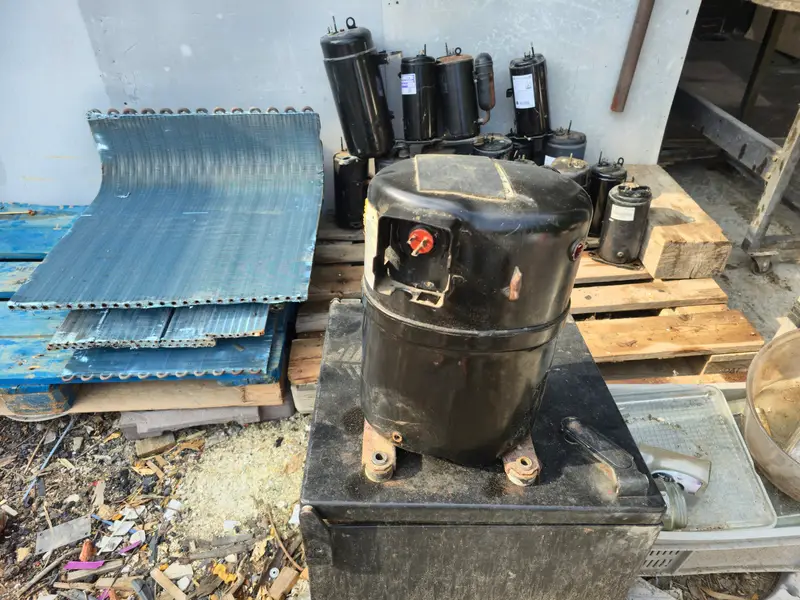
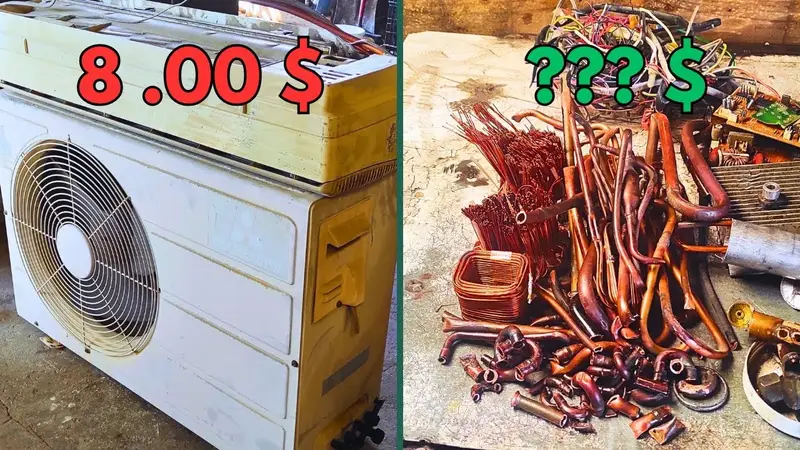
If you want to maximize your scrap yard profits, managing stockpiles of scrap sealed units presents a highly profitable opportunity. Scrappers commonly find these heavy steel pods in residential refrigerators, freezers, and industrial HVAC outdoor units. Most people sell them whole to scrap yards for low baseline pricing. However, breaking them down reveals a massive hidden stash of premium commodity grade metal.
In this comprehensive guide, we analyze real bench performance data from a massive 36 compressor teardown. Furthermore, we reveal exact recovery weights and map out high speed processing techniques. Finally, we explore why recycling sealed units holds critical environmental importance for our communities.
What Are Sealed Units in Scrap Metal?
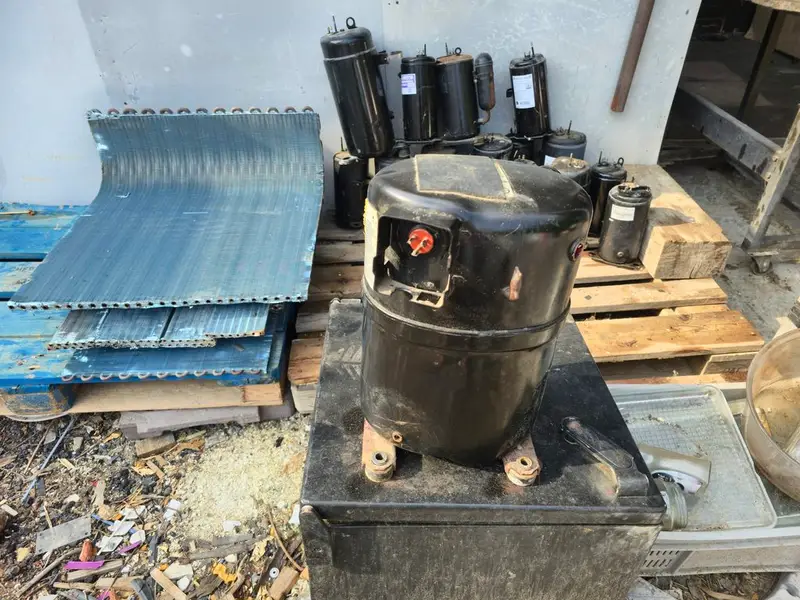
In the recycling industry, a sealed unit refers to a hermetically closed steel shell. This shell houses a high grade electric motor and a mechanical pump assembly. Consequently, the heavy welded steel skin completely protects the inner copper motor windings from external weather damage and oxidation. Because of this protection, you extract incredibly clean, varnished number 2 copper wiring during teardowns.
📈 The Scrapper’s Golden Rule: The 8% to 10% Copper Pattern
From my personal experience dismantling hundreds of sealed units in the workshop, a distinct mathematical pattern always emerges. On average, a standard scrap compressor yields between 8% to a maximum of 10% clean copper relative to its total gross weight before opening. Consequently, you can reliably estimate your raw copper payload beforehand. Simply multiply the weight of any unopened compressor shell on your scale by 0.10 to quickly calculate if the manual bench labor is worth your time.
The Master Compressor Scrap Yield Log
To accurately benchmark your workshop efficiency, use our validated processing data chart. We compiled this data by dismantling 36 mixed refrigerator and AC compressors over a 6 hour production window:
| Material Category | Total Recovered Weight (Imperial) | Total Recovered Weight (Metric) | Estimated Payout Yield Percentage |
|---|---|---|---|
| Clean #1 Heavy Copper Coils | 108.5 lbs | 49.2 kg | 9.1% of Gross Weight |
| Heavy Structural Scrap Steel Shells | 1,090 lbs | 494.4 kg | 90.9% of Gross Weight |
| Total Processed Stockpile | 1,198.5 lbs | 543.6 kg | 100% Consolidated Yield |
🎥 Watch the 36 Sealed Units Speed Run Experiment!
Want to see exactly how I sliced and hammered out these 108 lbs of copper? I cracked open 36 sealed compressors back to back using a high powered plasma cutter and an air chisel line. Watch the full data driven recovery mission video below to see the satisfying final payday metrics!
Why is Recycling Sealed Units Important?
Beyond the direct financial cash payday, understanding the importance of recycling scrap sealed units is essential for environmental compliance. Leaving old refrigeration units to rot in landfills introduces severe environmental hazards. Therefore, structured recovery processing matters immensely for three core reasons:
- Toxic Oil Containment: Sealed compressor pods contain dense chemical cooling oils mixed with residual refrigerants. If a shell cracks open in an un managed dump site, these fluids leach straight into local groundwater networks. Consequently, they can poison surrounding ecosystems.
- Preserving Eco-Efficiency: Extracting pure copper and structural steel from existing units requires up to 85% less industrial electrical energy. This comparison stands against mining raw virgin copper ore directly from the ground. Furthermore, it drastically lowers global carbon emissions.
- Strict Landfill Diversion: Heavy steel compressor housings take hundreds of years to naturally decompose. Urban mining effectively diverts thousands of tons of dense industrial scrap away from local landfills. Additionally, it routes materials right back into manufacturing supply lines.
How to Safely and Efficiently Process Compressor Units
If you try to cut into heavy steel compressor shells using a standard hand hacksaw, the manual workload will destroy your hourly profit margins. Instead, scale your tool layout up to industrial specs to successfully compete against commercial scrap metrics:
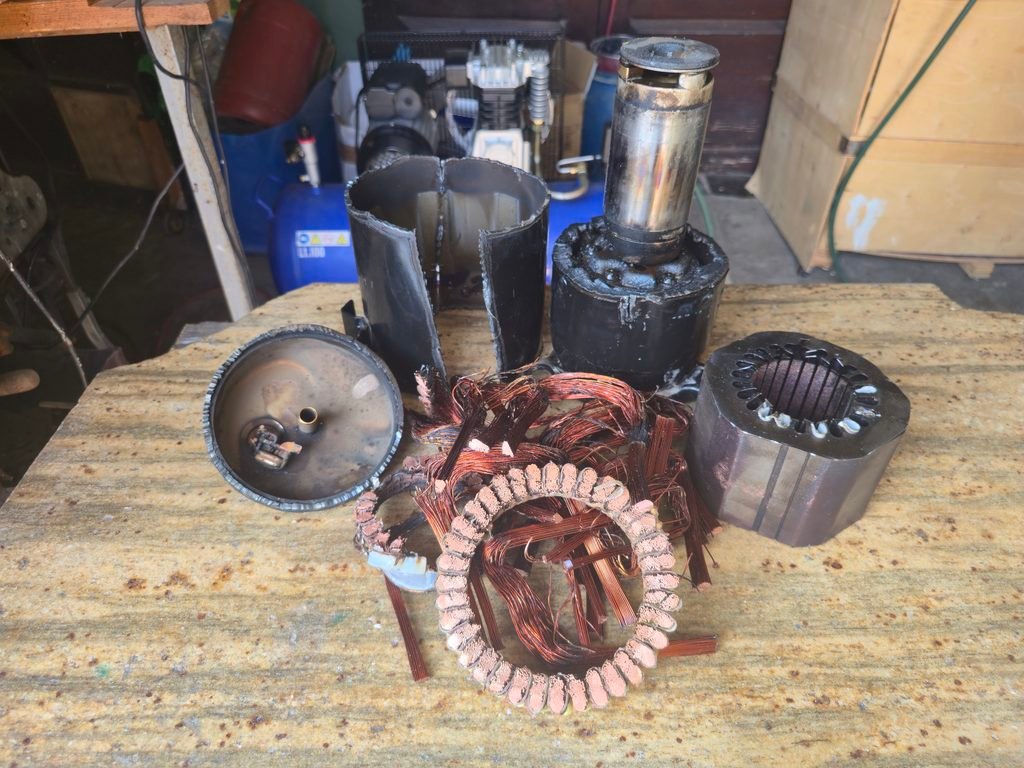
- The Outer Shell Slice: First, use a 50 amp plasma cutter or a premium heavy duty angle grinder cutting disc. Carefully score a neat circular line right along the factory welded seam of the casing. The plasma cutter easily cuts through conductive iron walls in seconds. Furthermore, it avoids creating messy, hazardous particulate dust.
- Draining and Environmental Safety: Always ensure an HVAC professional completely evacuates the pressurized refrigerant gas before you cut. Afterward, tilt the opened top shell back to safely drain the internal lubricant oil into a designated recycling drum container.
- Mass Stator Extraction: Once the bare inner motor is exposed, clamp the steel core laminations securely to your workbench. Next, use a premium pneumatic air hammer equipped with a split bit. This tool smoothly slices one side of the winding heads. Finally, use the air stroke to smoothly push the heavy copper bundles out in a single punch.
📊 Free Data Download: 36 Compressor Scrap Weight Log
Looking for a complete spreadsheet template mapping out individual gross weights, steel housing data, and raw material purity tracking specs from our live workshop compressor runs? Download our free datasheet to optimize your own scrap inventory yields!
Download Free Weight LogConclusion: Are Scrap Sealed Units Worth the Labor?
In conclusion, processing scrap sealed units is highly lucrative if you cluster your inventory into bulk batches. Additionally, you must utilize high speed thermal or pneumatic cutting tools. By moving past whole shell scale pricing and extracting clean #2 copper bundles systematically, you turn environmental waste into clean, highly scalable industrial profits.
You can also use the scrap metal calculator to estimate sealed unit recovery based on weight and current scrap reference prices.
2 Responses
euhzdnqfztlwejxdvkeoveppgikqje
hello sir and welcome, how you find the information presented within this blog?