Key Takeaways
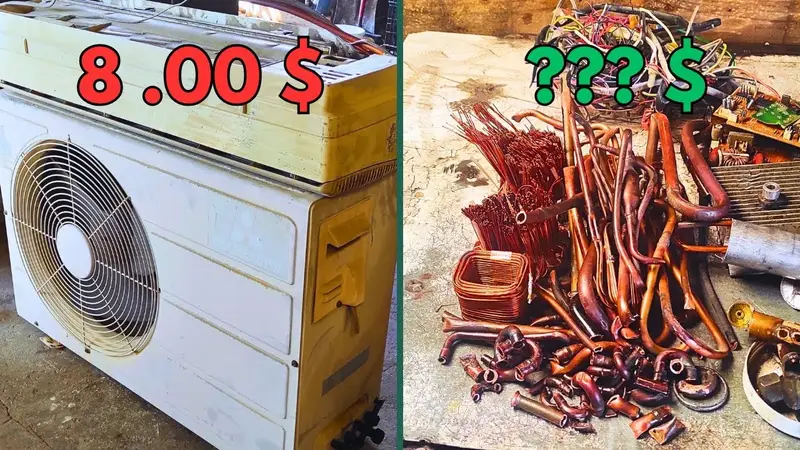
- One intact AC unit (9000 BTU) was estimated to bring $8 to $10 as whole scrap.
- Separating the metals raised the estimated total to $51.71.
- The percentage increase of profit is 546%.
- Copper was worth $20.46, while copper aluminum radiators added $15.42.
- Time needed to fully dismantle one unit approximately 30 to 40 minutes.
- Proper refrigerant recovery is an essential first step before dismantling.
Table of Contents
- The Whole-Unit Payout Is Fast, but It Is Not the Best Payout
- Safety First: Recover Refrigerant Before Dismantling
- What I Recover From an Air Conditioner
- AC Scrap Value Breakdown From One Unit
- Should I Take an AC Unit Apart or Sell It Whole?
The Whole Unit Payout Is Fast, but It Is Not the Best Payout
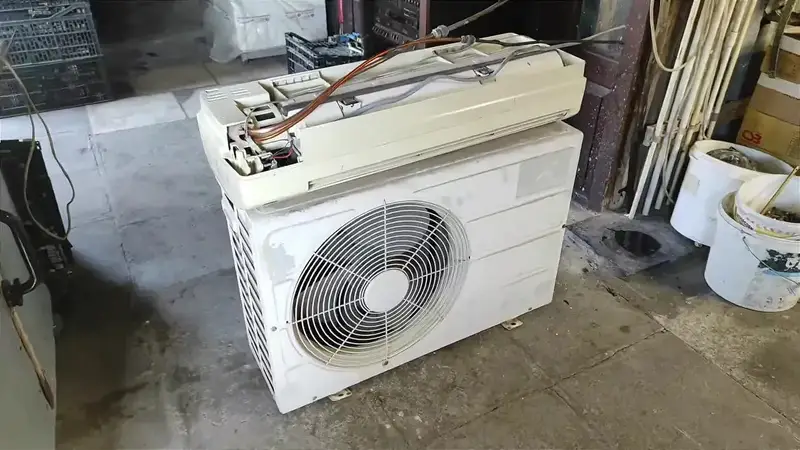
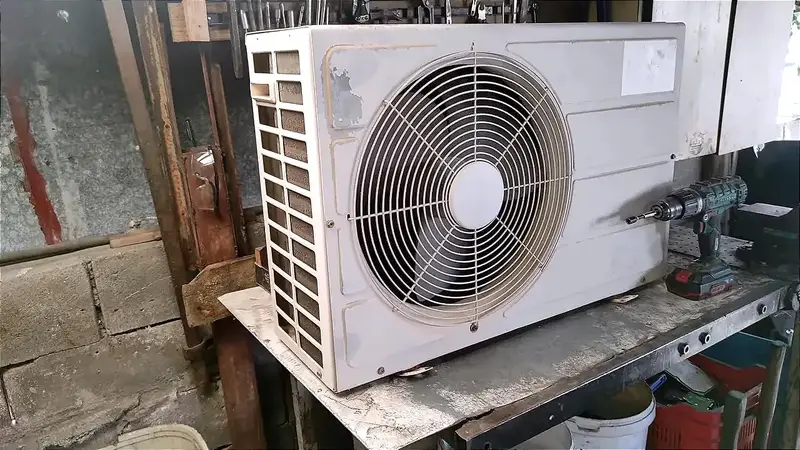
What is an old air conditioner worth at the scrapyard? For this unit (9000 BTU), bringing it in intact would likely mean about $8 to $10. That is quick, simple, and sometimes that is exactly what matters.
But an AC outdoor unit is not just a chunk of low grade scrap. Inside the shell are copper pipes, copper windings, copper aluminum radiators, brass fittings, steel, motors, wires, circuit boards, and aluminum. When I sell all of that as one complete unit, the yard has to do the sorting work. When I sort it myself, I get paid closer to the value of each material.
The core lesson is straightforward: scrap value follows separation. The more accurately I separate materials into the grades a yard buys, the more of the unit’s value I keep.
Safety First: Recover Refrigerant Before Dismantling
Before any serious teardown begins, refrigerant has to be handled correctly. This is not the part to rush or improvise. Proper recovery and disposal procedures come first, profits second.
Because I process AC units regularly, I use a refrigerant gas recovery machine. If I did not have the proper equipment and process, I would not treat refrigerant recovery like a casual DIY step. Local requirements can vary, and in the United States the EPA refrigerant management program provides important guidance on responsible refrigerant handling.
Once the refrigerant side is properly dealt with, I can focus on the materials that actually make an AC unit worth dismantling.
What I Recover From an Air Conditioner
I work through the unit piece by piece instead of treating it like one big pile. The target is not simply to remove everything. The target is to identify what each component is made of and keep valuable categories separate.
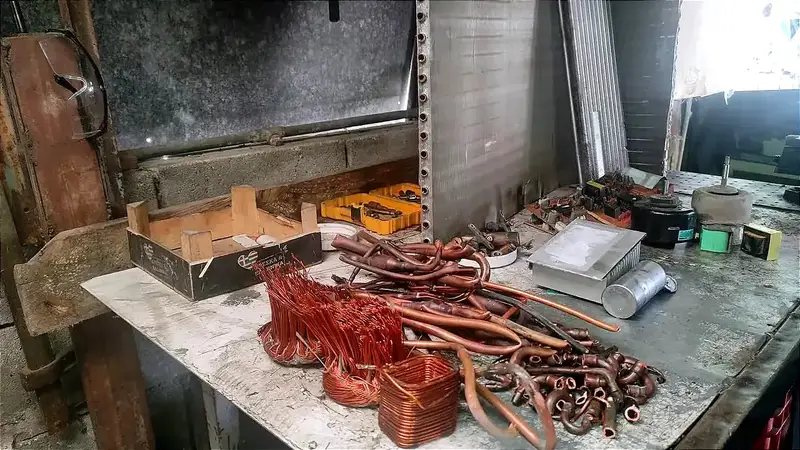
Copper tubing and copper windings
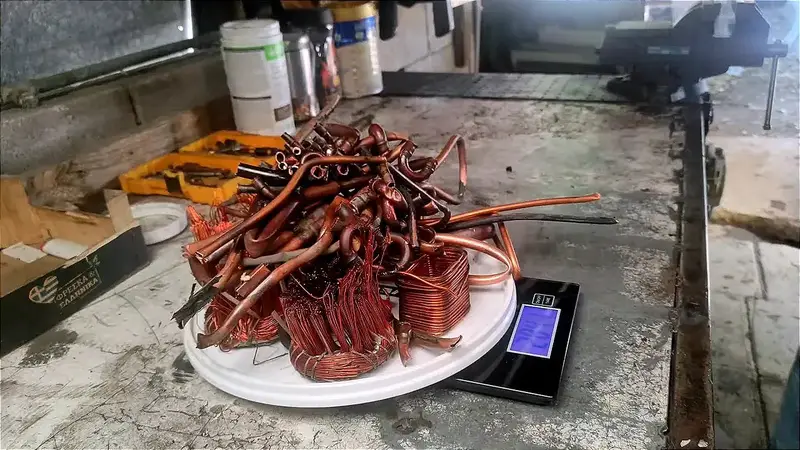
Copper is one of the biggest reasons I take an AC unit apart. Refrigerant lines form a major pile of copper tubing, while the compressor and transformer contain copper windings. On this unit, the copper pile weighed 6.17 pounds, with a quoted value of $3.30 per pound.
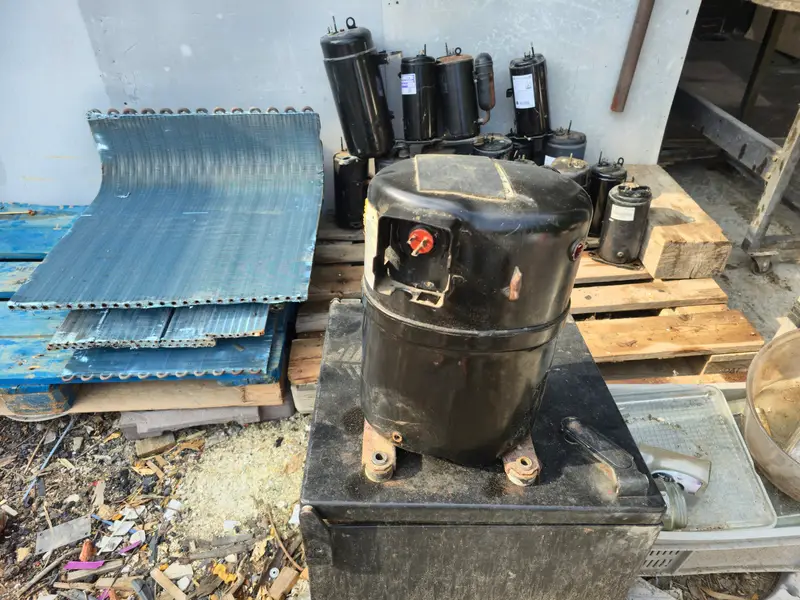
The sealed compressor is especially interesting. After opening it, I can recover the electric rotor, which is loaded with copper. The transformer also has a copper core. Since this was a non welded transformer, getting to that copper core was much easier than dealing with a welded one.
Copper aluminum radiators
AC coils and radiators contain both copper and aluminum, which means they deserve their own category instead of being tossed in with steel or mixed scrap. The copper aluminum radiators from this unit weighed 9.25 pounds. At $1.65 per pound, they added up to $15.42.
These radiators may not command the same price per pound as clean copper, but there is enough weight in them to make a real difference. That is why I do not overlook them.
Steel, brass, motors, wire, circuit boards, and aluminum
The smaller categories matter too. Steel from the frame and shell, brass pieces, motors, insulated wire, motherboard material, and aluminum heat sinks all add dollars to the final tally. None of these categories needs to carry the entire job alone. Together, they turn a basic AC scrap job into a much better payout.
AC Scrap Value Breakdown From One Unit
Here is the complete estimated breakdown from this air conditioner. Prices are examples from this specific teardown, not permanent market rates. Scrap prices change by location, grade, buyer, and market conditions.
| Sorted material | Estimated value |
|---|---|
| Copper | $20.46 |
| Copper aluminum radiators | $15.42 |
| Steel | $9.46 |
| Brass | $3.00 |
| Motors | $1.34 |
| Wire | $0.45 |
| Motherboards | $1.40 |
| Aluminum | $0.18 |
| Total estimated return | $51.71 |
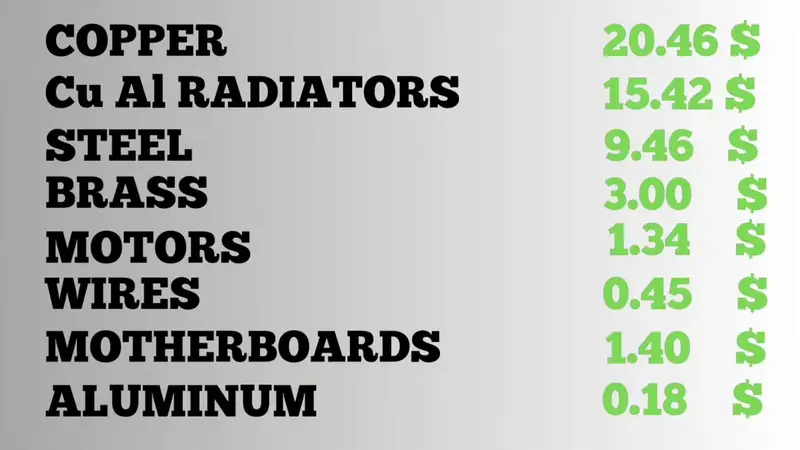
The three biggest contributors were copper at $20.46, copper aluminum radiators at $15.42, and steel at $9.46. Those three categories alone totaled $45.34. Brass, motors, wires, motherboard material, and aluminum supplied the remaining $6.37.
Should I Take an AC Unit Apart or Sell It Whole?
For me, this example makes the answer pretty clear. The difference between $8 to $10 whole and $51.71 sorted is too large to ignore when I have the tools, time, and proper refrigerant process available.
Still, the best choice depends on the job. Selling whole may be sensible when I have limited time, no safe recovery process, or a unit that is not worth the labor. Taking it apart makes sense when I can responsibly process it, separate the grades cleanly, and build enough volume for the work to pay off.
I use this simple decision check:
- Sell whole when speed and convenience matter more than maximum return.
- Break it down when I can safely process the unit and sort copper, radiators, brass, steel, motors, wire, boards, and aluminum separately.
- Check local yard pricing before estimating profit, because per-pound values move constantly.
- Keep every category separate because mixed material is where money gets left on the table.
This was not a case of finding one secret treasure part. It was the combined value of every recoverable category. Copper gave the teardown a strong foundation, radiators added serious weight, and all the smaller pieces pushed the final total well beyond the whole-unit price.
That is the real takeaway from AC scrapping: do not judge a unit by its shell. Break down the value, sort it properly, and the dollars do not lie. Keep scrapping and keep earning.
Frequently Asked Questions About Scrapping Air Conditioners
How much is a whole air conditioner worth at a scrapyard?
In this example, selling the complete AC unit intact would likely bring about $8 to $10. Actual prices depend on the yard, region, unit size, and current scrap market.
How much was the dismantled AC unit worth?
The sorted materials from this unit had an estimated total value of $51.71.
What is the most valuable scrap metal in an AC unit?
Copper was the highest-value category in this teardown at $20.46. Copper aluminum radiators were the next biggest category at $15.42.
Can I dismantle an AC unit before dealing with refrigerant?
Refrigerant needs to be handled through proper recovery and disposal procedures before dismantling. I treat safety and responsible processing as the priority.
Want to estimate the economics for another AC unit? Try our scrap metal calculator to compare recoverable value, processing time, labor, and potential profit.