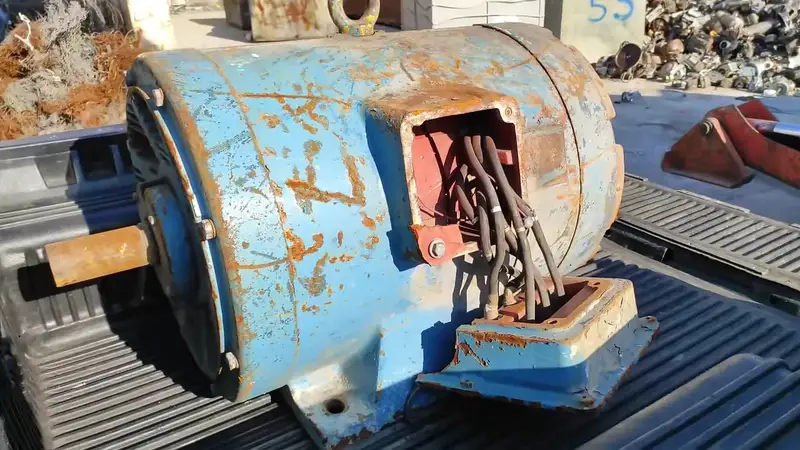
If you want to maximize your scrap yard profits, knowing the exact electric motor copper percentage is crucial. Selling old electric motors whole is fast, but breaking them down to recover clean, high grade copper wire is where the real urban mining money is hidden. But exactly how much copper is hidden behind those heavy iron casings?
In this ultimate guide, we reveal real world teardown data, break down exact weight averages by motor size, and give you an actionable chart so you know whether a motor is worth your manual labor time or if you should toss it whole onto the scrap scale.
What is the Average Electric Motor Copper Percentage?
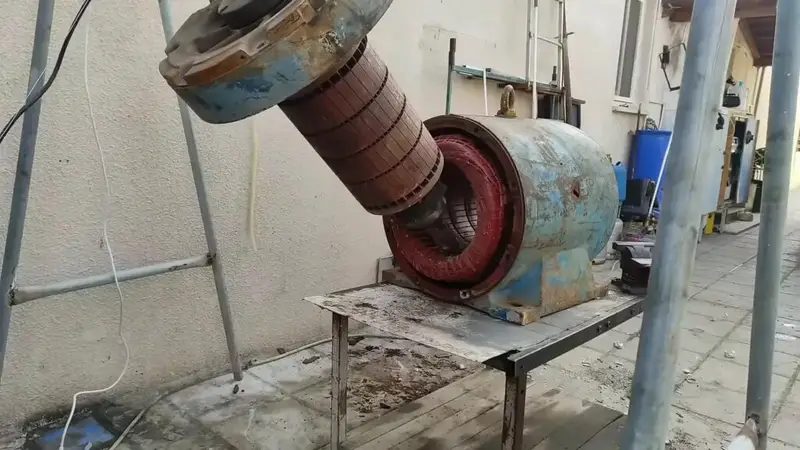
On average, a standard electric motor contains between 10% to 20% copper by total weight. The remaining weight consists of heavy structural steel casings, steel rotors, laminations, stainless shafts, and occasionally cast aluminum housings or brass components.
However, this number fluctuates significantly depending on the age, origin, and specific engineering purpose of the unit. Older, heavy duty industrial electric motors usually sit on the higher end of the spectrum (15% to 20%), while modern, lightweight appliance motors lean toward the lower edge (9% to 12%).
The Master Electric Motor Copper Yield Chart
This structural index breaks down estimated raw weight expectations for the three primary categories of scrap motors you will discover during e-waste collection, residential cleanouts, and commercial teardowns:
| Motor Category & Source | Avg. Gross Weight | Est. Copper Yield | Copper Percentage |
|---|---|---|---|
| Small Appliances (Microwaves, Fans, Blenders) | 2 – 5 kg (4.4 – 11 lbs) | 0.2 – 0.5 kg (0.4 – 1.1 lbs) | 8% – 10% |
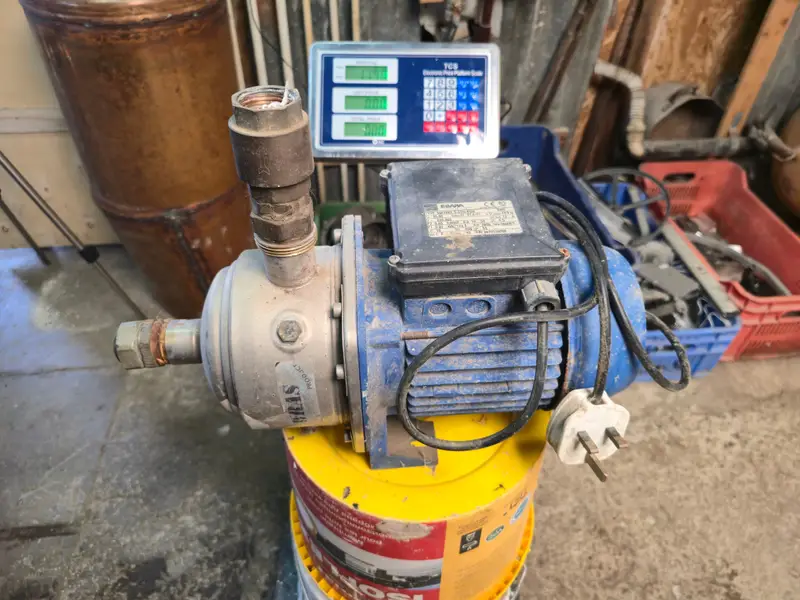
| Standard Motors (Pool, Centrifugal Water Pumps) | 15 – 25 kg (33 – 55 lbs) | 2.0 – 3.5 kg (4.4 – 7.7 lbs) | 13% – 15% |
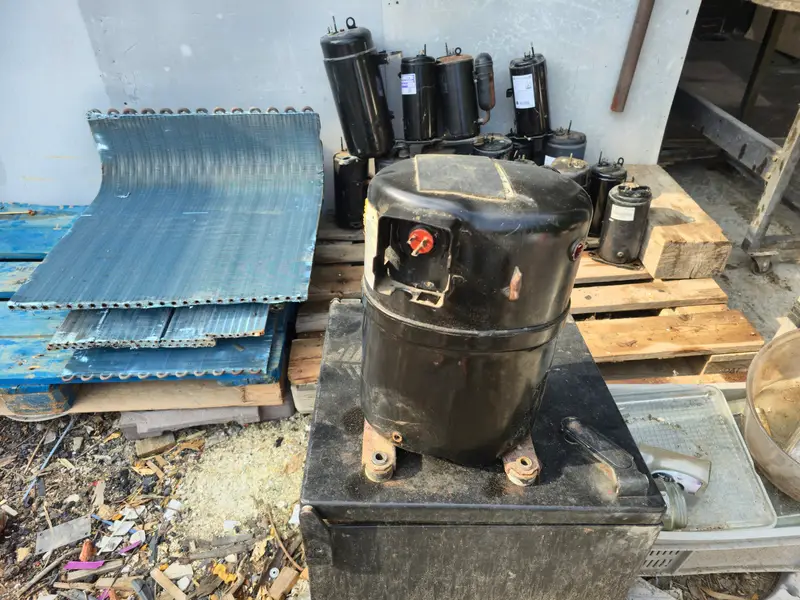
| Heavy Industrial Motors (Machinery, Large Compressors) | 50 – 100+ kg (110 – 220+ lbs) | 9.0 – 20+ kg (19.8 – 44+ lbs) | 15% – 20% |
🎥 Watch the Live Speed Run Teardown Experiment!
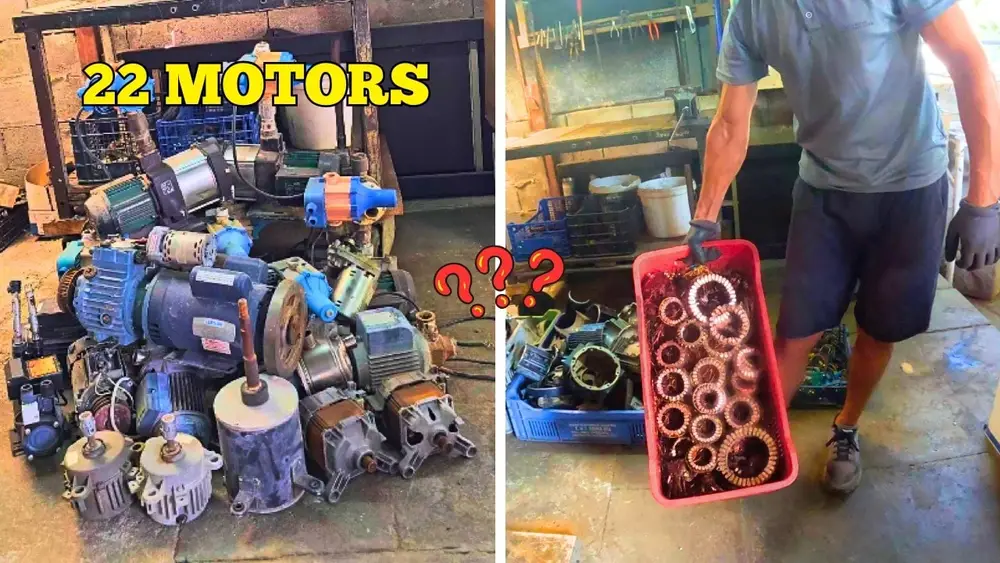
Want to see this data put to the test? We took 22 industrial electric motors and processed them back to back using a custom workshop assembly line slicing stator windings with an angle grinder and punching pure copper wire using a heavy air hammer. Watch the full experiment below to see if manual scrapping can beat the average US hourly wage!
How to Calculate Your Copper Recovery Profit Margin
Before spending an afternoon swinging a sledgehammer, use this simple formula to determine your exact net payout potential:
(Total Motor Weight × Est. Copper 10%) × Current #2 Copper Scrap Price = Net Revenue
Always verify current metal prices using an authoritative live scrap tracker before finalizing your calculations. If the total calculated payout is substantially higher than the baseline whole motor scrap price ($0.20–$0.40 per pound), manual recovery is highly profitable.
The Hidden Trap: Copper Clad Aluminum (CCA) Windings
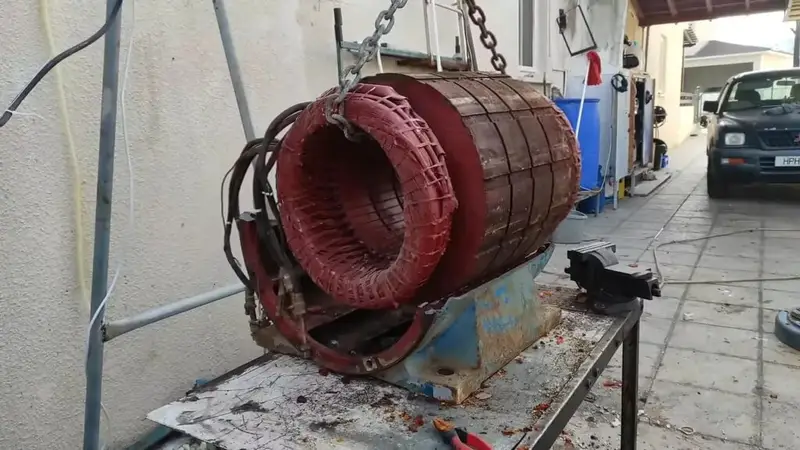
One major reason scrappers lose money on modern electric motors is falling for the “Aluminum Trap.” Many manufacturing plants now use Copper Clad Aluminum (CCA) windings instead of pure copper wire to cut costs. These windings are coated in a thin pink or orange copper enamel skin but feature a solid aluminum core inside.
How to Run the Scratch Test:
- Take a sharp metal file, knife blade, or corner of an angle grinder wheel.
- Lightly scratch or cut deep into the side of the exposed stator coil windings.
- Observe the underlying core color under bright light. If the metal shines bright silver underneath, it is aluminum (which drops your scrap value by roughly 60%). If it remains deep, golden orange throughout, you have struck pure number 1 clean copper wire.
How to Speed Up Your Motor Scrap Assembly Line
If you break down motors one by one using a standard hammer, cold chisel, and screwdriver, your labor time will destroy your hourly profit margins. To maximize your efficiency, implement a structured two stage factory assembly line:
- Stage 1: Batch Teardown: Line up all your motors on your workbench. Use a high torque impact driver to rapidly back out casing bolts, pop off outer housings, and separate brass parts or aluminum casings into distinct bins. Set all raw bare steel stators aside together.
- Stage 2: Mass Extraction: Take an angle grinder equipped with a premium metal cutting disc and slice clean through one side of the copper winding rings on every stator. Line them up under a custom manual lever rig or air hammer press to cleanly pop out the entire internal copper bundle in a single, effortless stroke.
Conclusion: Is Recovering Copper from Electric Motors Worth It?
Yes, processing scrap electric motors is highly worth your time if you target medium to large industrial pumps or vintage equipment and utilize automated or custom mechanical tooling. By running a strict assembly line instead of treating each breakdown as an isolated task, your net urban mining yield can comfortably compete with traditional entry level mechanical labor jobs.
Before tearing down another motor, use our scrap metal calculator to estimate the potential recoverable value and whether the processing time makes economic sense.